Perspective
Our Partnership with Databricks
Thomas Laffont, Lucas Swisher, Jade Lai, Abhi Srinivas, Philena Sun
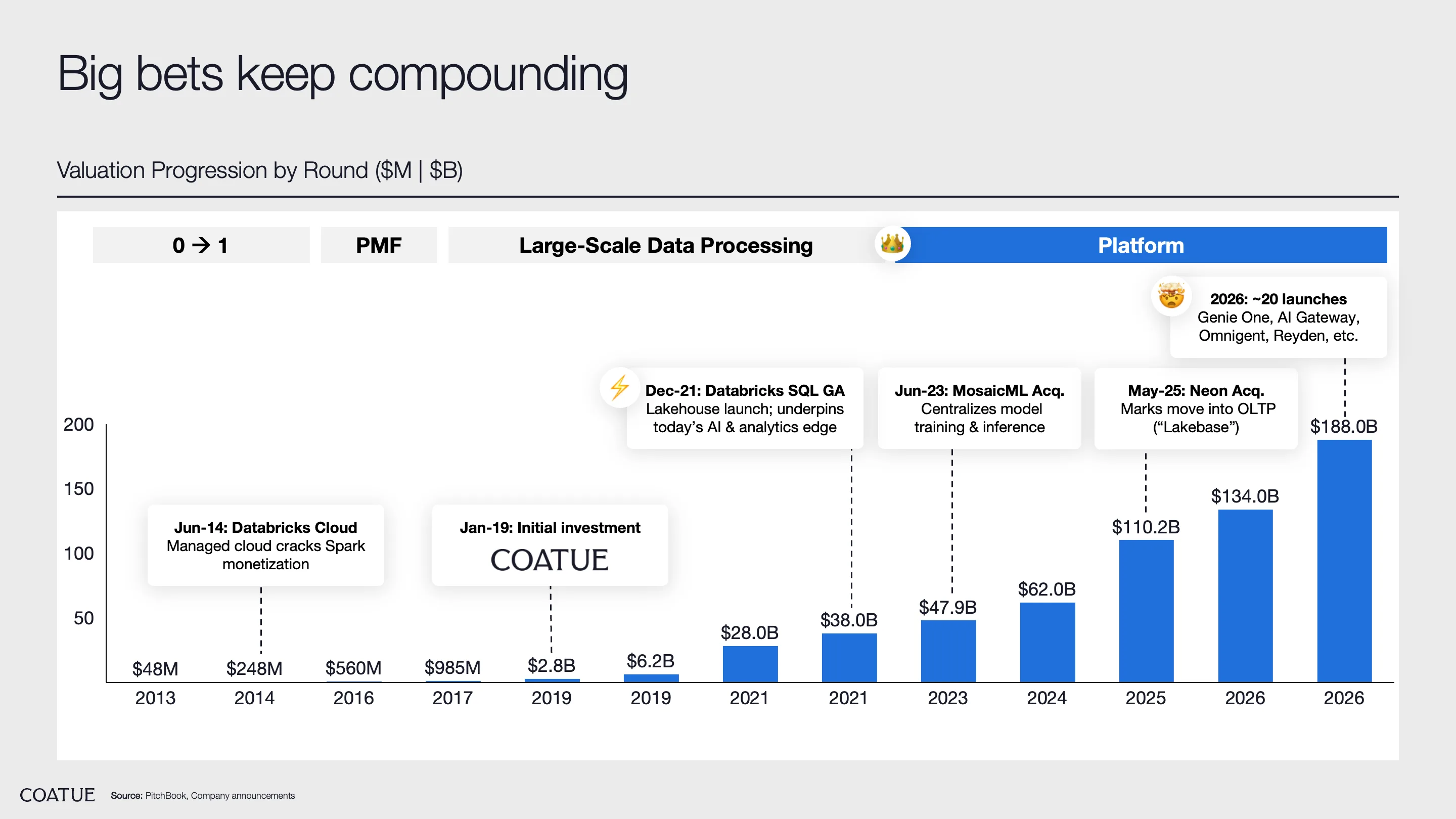
It is striking to see how much Databricks has evolved since our initial investment in 2019. What started as a thesis about Spark and building the most performant data processing platform has become the critical context layer for enterprises embedding AI into their workflows. It helps to step back and trace the chapters of the Databricks story:
Winning analytics with Lakehouse.
This has always been the core of the company: building the open foundation for data analytics with Iceberg, and breaking the paradigm of walled gardens and proprietary formats so customers can choose the best engine for their own data.
Expanding into transactions with Lakebase.
A unified architecture that brings transactional processing to the data lake, letting enterprises maintain a single copy of data across both transactional and analytical workloads.
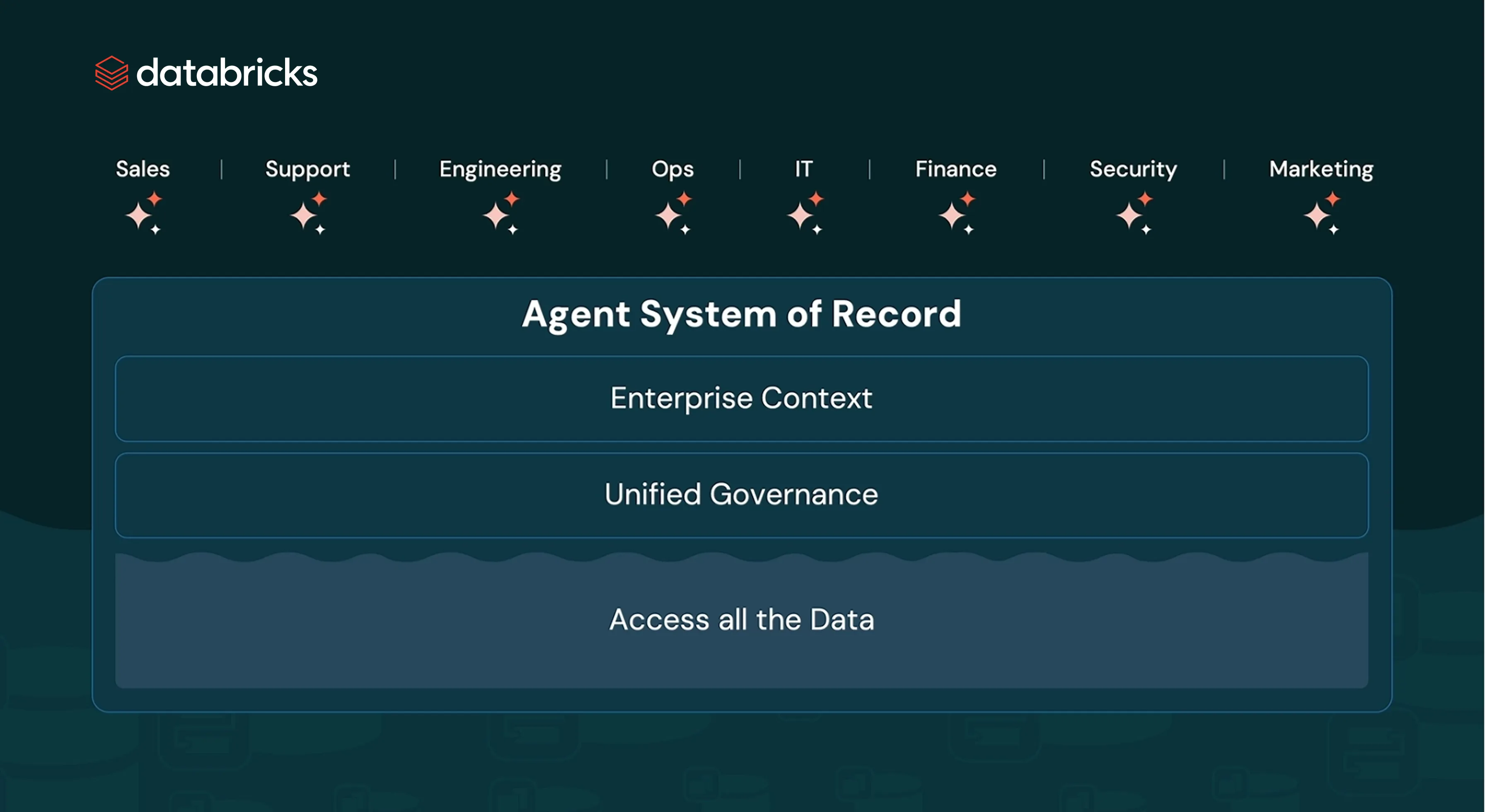
Genie and the agentic system of record.
The interface for enterprises to build agentic applications on their own data — using both closed and open-source models — across every domain, from data science to security to marketing to finance to HR.
Each chapter is backed by strong business fundamentals, compounding growth curves, and expanding end markets.
And yet, as much as the company has evolved, the core primitives that let enterprises build with AI remain the same. Unity Catalog gave customers a way to securely govern their data and AI assets; AI Gateway is the next step, managing token spend and agent governance so enterprises can move faster with AI. In parallel, Databricks is also accelerating with strong demand for their AI products.
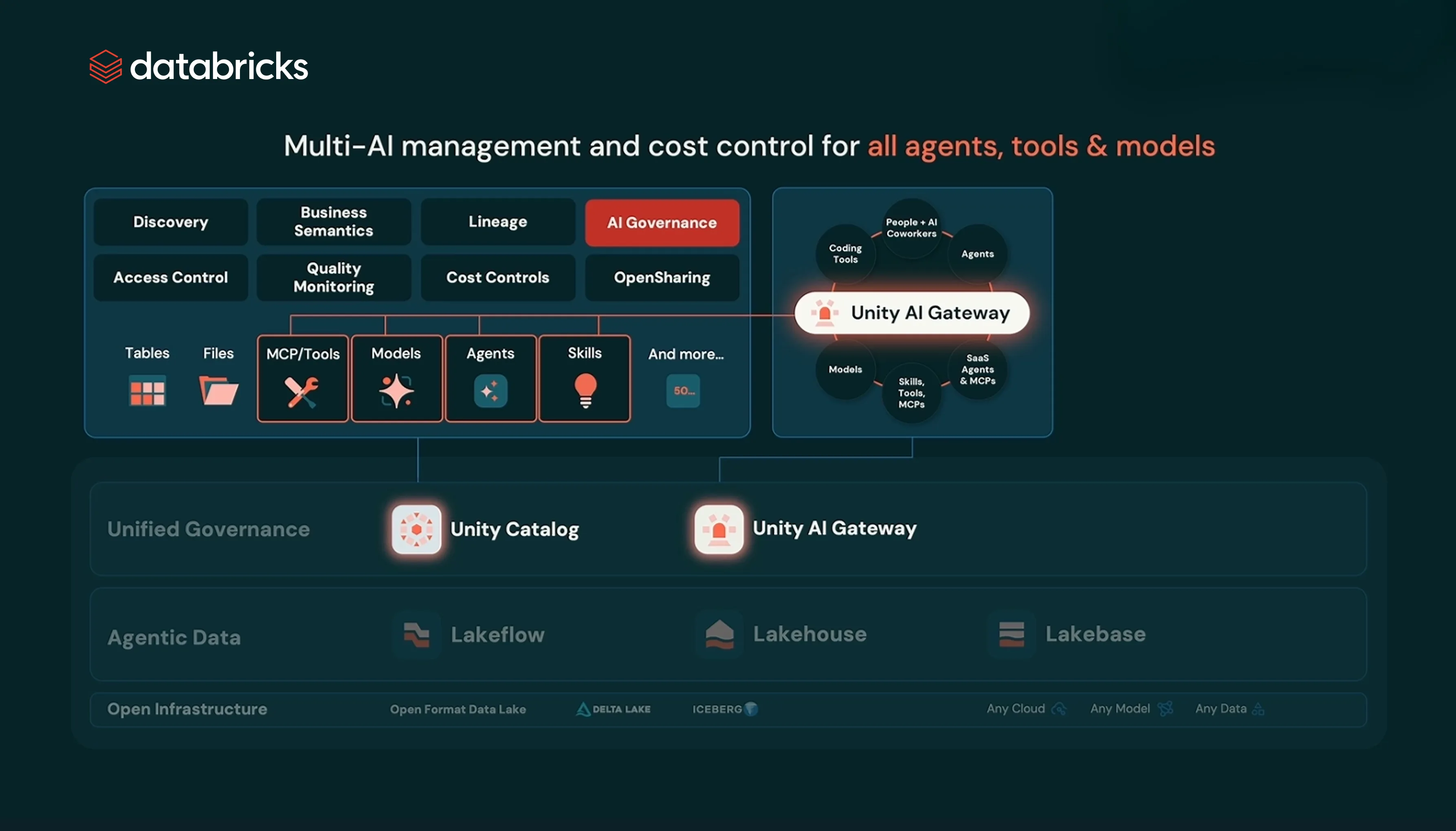
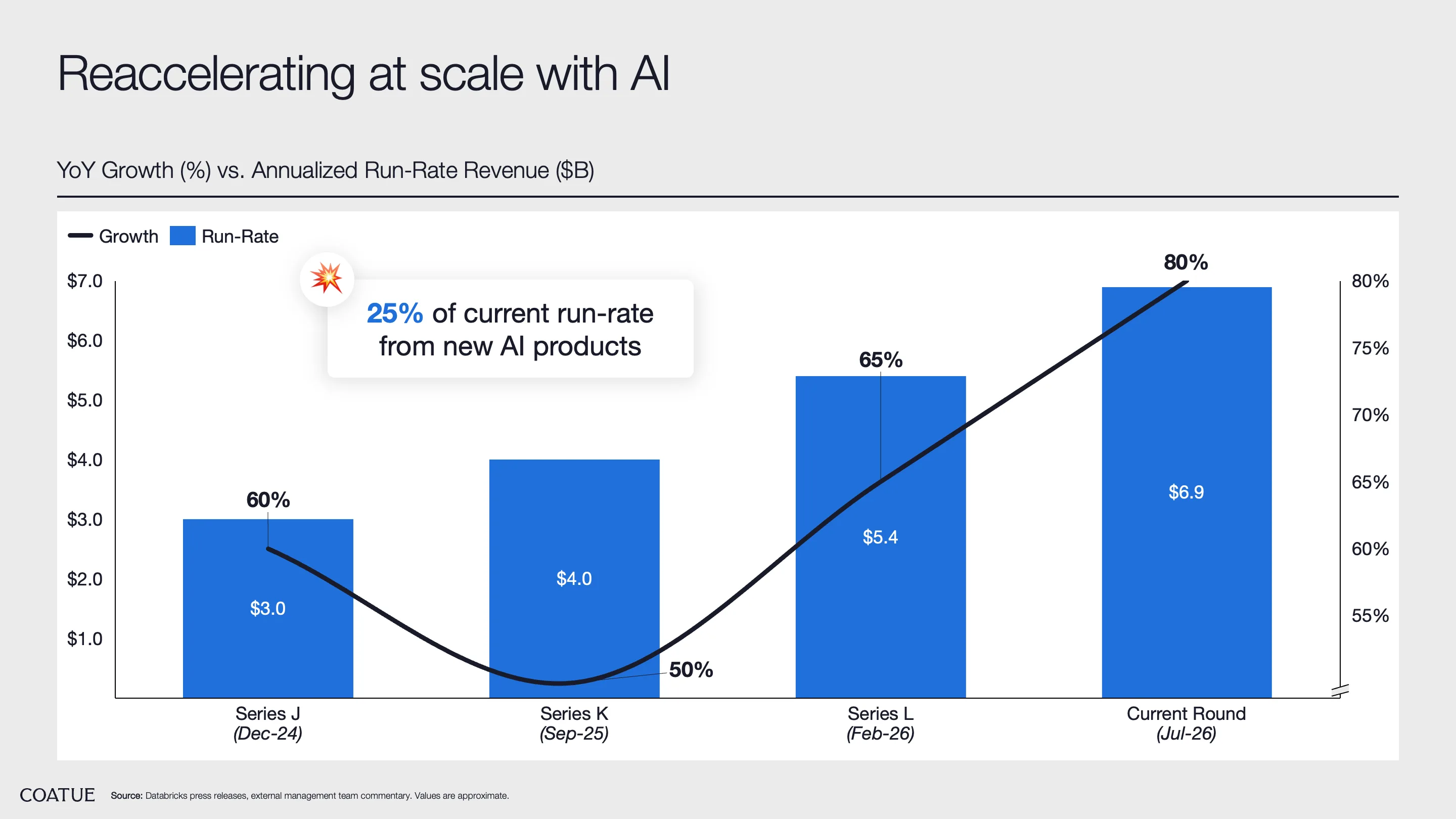
The fundamental ethos hasn't changed: Databricks builds the open infrastructure that lets customers own their data and intelligence.
It is clear Databricks had the foresight to build the right architecture for AI as we shift from CPU-only to a heterogenous CPU/ GPU compute world. But what impresses us even more is how the company has oriented itself like a research lab. The velocity of recent releases mirrors what you see at the frontier labs — Databricks has reshaped its own R&D workflows to compress development timelines that once ran 3-4 years, like in building a query engine, down to 6-9 months.
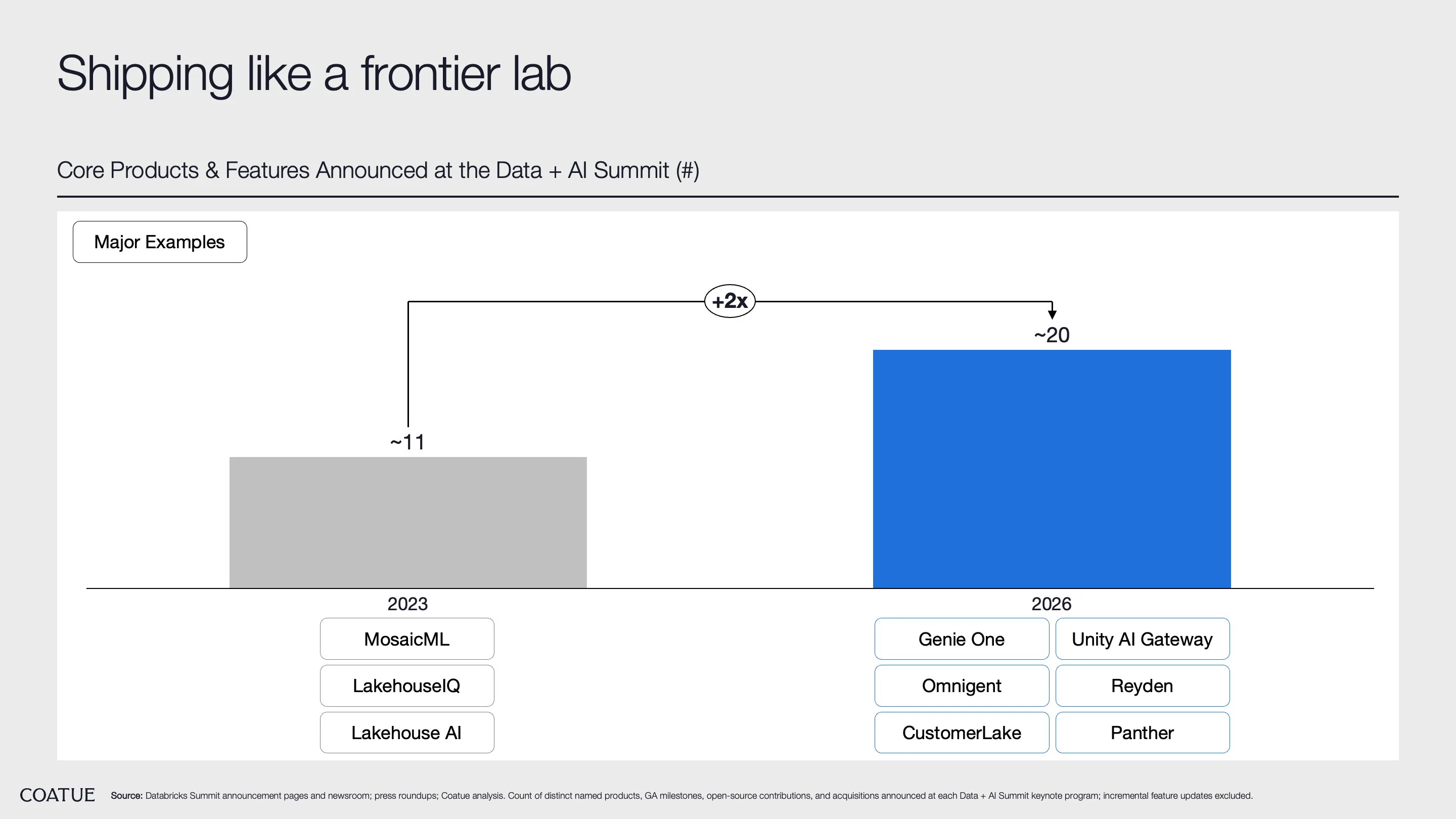
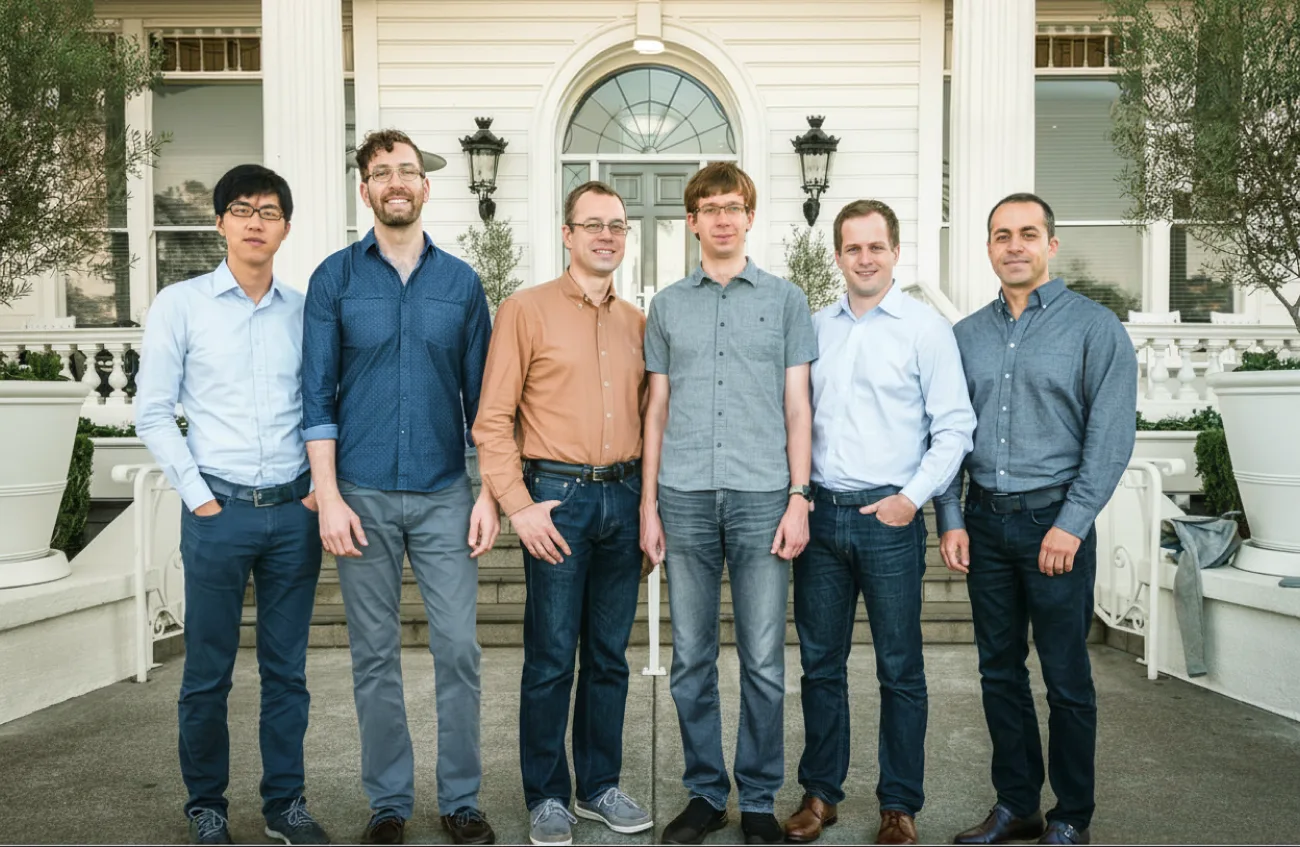
It has been nearly a decade of partnership and we couldn’t be more excited to lead this round.
Disclosures
The information in this post is provided for informational purposes only and does not constitute investment advice or a recommendation to buy or sell any securities, or an offer to buy or a solicitation to sell an interest in any Coatue product or investment strategy. Views expressed reflect the opinion of Coatue as of the date of publication and should not be relied upon in making an investment decision. The publication of this post does not create a fiduciary relationship between Coatue and any reader.
This post contains forward‑looking statements and information and/or data from third-party sources. Forward-looking statements are not guarantees of future performance and involve risks, uncertainties, and assumptions that are difficult to predict. Actual outcomes and results may differ materially, and Coatue does not undertake any obligation to update or revise any forward-looking statements herein, whether as a result of new information, future events, or otherwise. Information and data, including from third‑party sources, are believed to be reliable but have not necessarily been independently verified. Accuracy and completeness are not guaranteed, and actual results may differ materially from those expressed or implied. Coatue and/or one or more of its clients have a financial interest in Databricks and may benefit from increases in the company’s value or public interest, which creates a potential conflict of interest and may influence the views expressed herein.
There is no guarantee that any investments discussed have been or will be profitable, or that any product or investment strategy managed by Coatue will achieve its objectives. Past performance is not indicative of future results.